
Emergency Lighting Luminaires
AUCTROLUX Emergency Lighting Luminaire
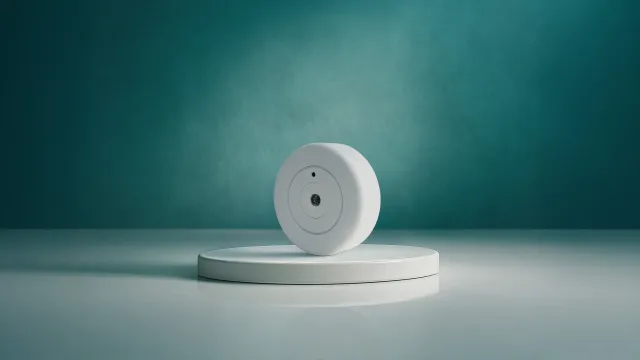
Power LED AUCTROLUX emergency lighting luminaire, only 125 mm in diameter; 180 minutes autonomy with LiFePO4 b...
Emergency lighting luminaires activate when the mains supply fails, illuminating escape routes, stairways and high-risk task areas. TS EN 1838 requires a minimum of 1 lux along the centre line of the escape route, sustained for at least 60 minutes.
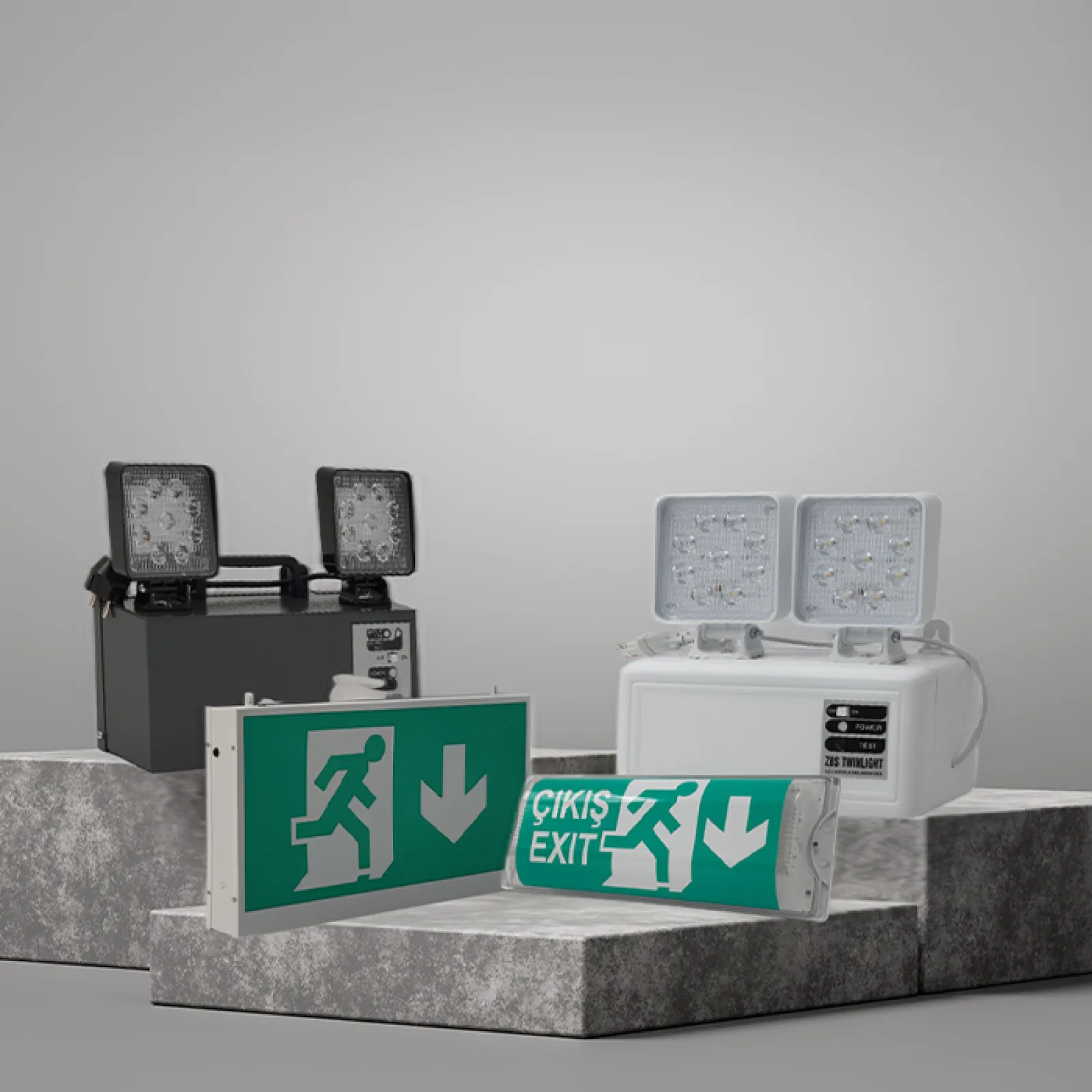
The ZBS emergency lighting family comprises the metal-enclosure SAFELIGHT and SAFELIGHT ECO series, the ABS-bodied TWINLIGHT and TWINLIGHT MIDI models, the slim Z-LITE, the decorative AUCTROLUX and the recessed DEEP LIGHTING luminaire. Light output ranges from 2x200 lm to 2x1000 lm.
All models feature an LED 6500K light source, a manual test button, a charge indicator LED and a 24-hour charging time. VRLA and LiFePO4 battery options with 60/120/180 minute autonomy can be configured to suit the project.
Power LED AUCTROLUX emergency lighting luminaire, only 125 mm in diameter; 180 minutes autonomy with LiFePO4 b...
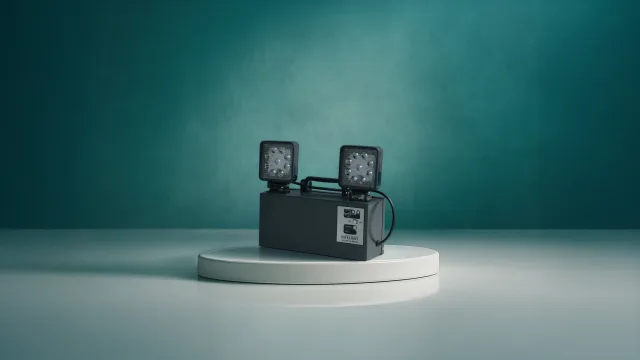
Metal-enclosure SAFELIGHT POWER LED emergency luminaire; 2x800 lm Power LED, 60/180 minutes autonomy, VRLA or...
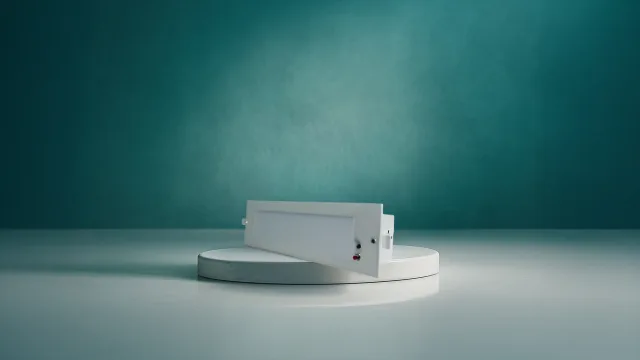
Decorative DEEP LIGHTING recessed emergency luminaire for suspended ceilings; 650 lumens, 180 minutes autonomy...
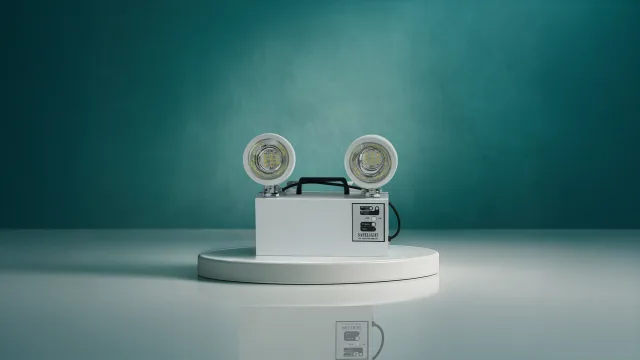
SAFELIGHT emergency lighting luminaire with metal enclosure and metal lamp heads; 2x400–2x800 lm, 60/120/180 m...
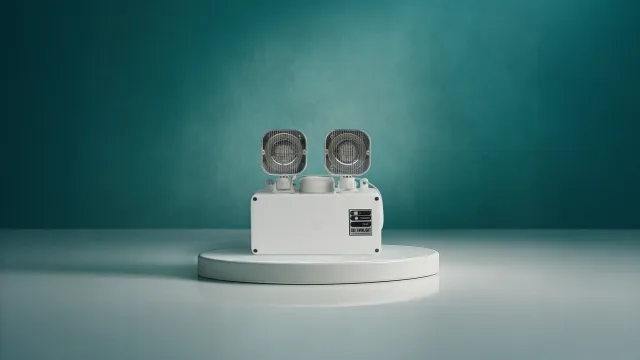
ABS-bodied TWINLIGHT emergency lighting luminaire; 2x10W and 2x15W wattage equivalent, 60/180 minutes autonomy...
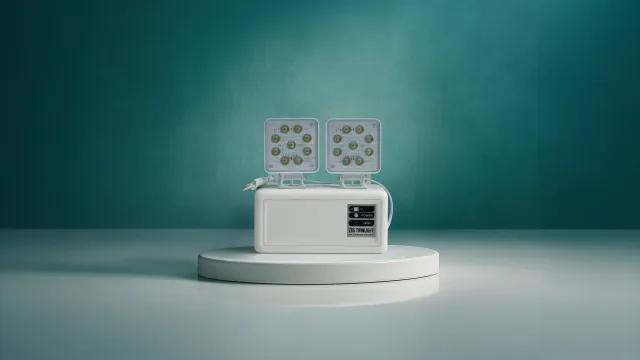
Compact TWINLIGHT MIDI emergency luminaire; 2x5W and 2x10W, approximately 2x200–2x400 lm, 180 minutes autonomy...
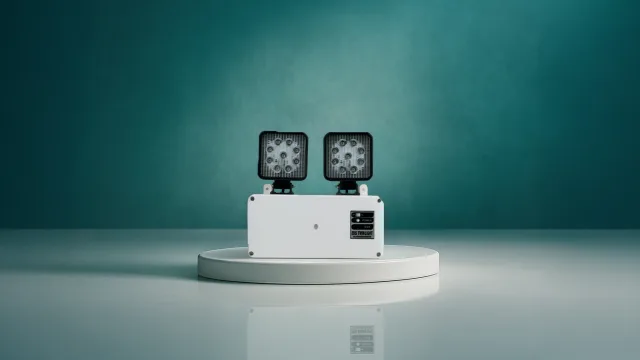
ZBS-TWINLIGHT POWER LED emergency luminaire with 2x750 lm Power LED heads; 180 minutes autonomy, VRLA or LiFeP...
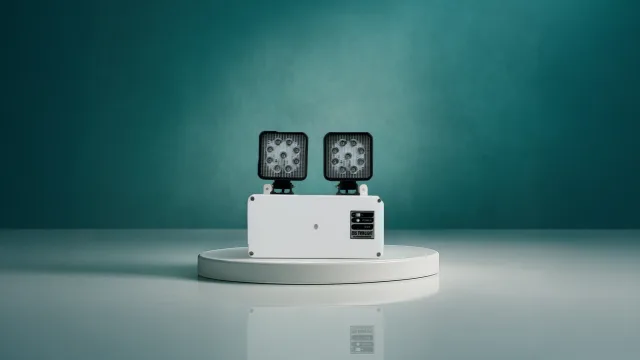
ZBS-TWINLIGHT emergency lighting luminaire; 2x650–2x1000 lm, 60/180 minutes autonomy, maintenance-free battery...
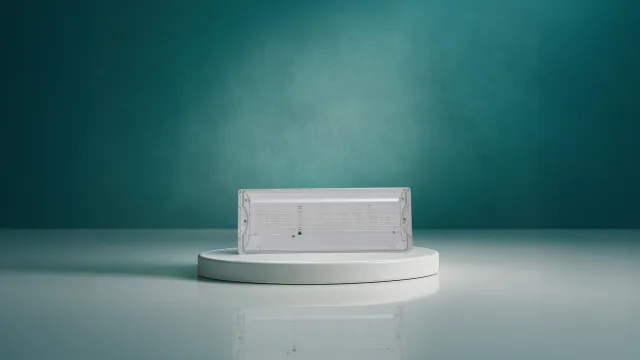
Slim Z-LITE emergency lighting luminaire; 20–40 LEDs, 60/180 minutes autonomy, 1 W mains consumption, surface...
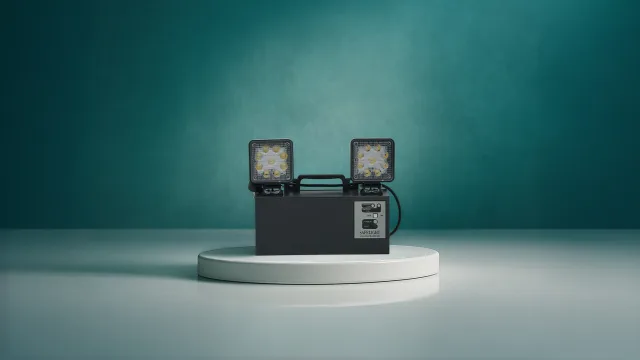
Compact SAFELIGHT ECO MIDI emergency luminaire; 2x400 lm, 2x10W wattage equivalent, 180 minutes autonomy, meta...
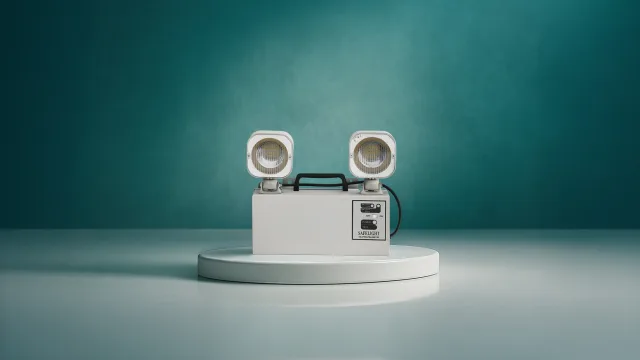
SAFELIGHT ECO emergency lighting luminaire; 2x400–2x750 lm, 60/120/180 minutes autonomy, black and white finis...
The questions our project team is asked most often. If you cannot find what you need, get in touch.
Our technical team provides free support in selecting emergency lighting and exit sign solutions for your escape route plan.